
How Memory Care Staff Manages Pain in Residents Who Can’t Communicate It
Your loved one may be dealing with Alzheimer’s disease or other forms of dementia to a point where communicating with discomfort and pain can be an even greater challenge. As those cognitive abilities change, they may not be able to clearly express what they are feeling, where it hurts, or how severe the pain may be. As such, it can create a challenge for caregivers but they are ready to handle those situations should they arise.
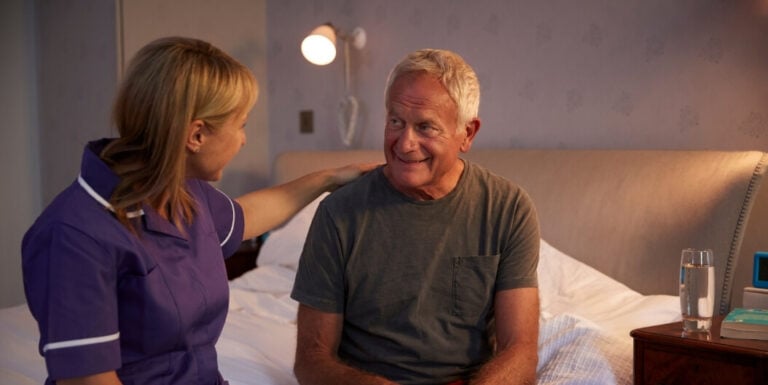
In specialized environments like memory care, staff members use their observation, experience, and compassionate care techniques to recognize and manage pain effectively. It is their goal to ensure that your loved one remains comfortable, safe, and supported despite their limited ability to communicate their needs directly.
Why Pain is Hard to Detect in Memory Care
Pain doesn’t disappear even if cognitive decline progresses. However, your loved one may not be able to directly describe what they’re feeling if they struggle to find the right words or forget to communicate discomfort. They may even be confused about what they are experiencing. Rather than verbalize the pain, your loved one may show it through changes in mood or behavior.
Without the proper attention, those signs can be easily misunderstood. It’s one of the reasons why memory care staff are specially trained to look beyond the words and recognize those subtle indicators of discomfort if and when they are present in your loved one.
Recognizing Nonverbal Signs of Pain
Caregivers in memory care communities often rely on their observation skills. To the point where they can be able to recognize small, subtle changes in your loved one’s behavior that may signal something wrong. For example, here are some of the nonverbal signs of pain that they might be looking out for:
- Facial expressions such as grimacing or frowning
- Increased agitation or restlessness
- Withdrawal from activities or social interactions
- Changes in sleep patterns or appetite
- Resistance to movement or care routines
Your loved one’s caregivers can pay close attention to these cues so that they can identify possible pain as early as possible. From there, they can take the necessary actions that will ensure that they are comfortable for the long-term.
Personalized Care and Knowing the Residents
Another effective tool in pain management is familiarity. Memory care staff can spend time getting to know your loved one while learning about their personality, habits, and typical behaviors. Such caregivers can get an understanding of what is “normal” for your loved one so they can easily recognize possible changes. For example, they can be social but might become withdrawn if they are experiencing discomfort.
This personalized approach will make it so that care staff can respond quickly and provide targeted care if necessary. The goal to maintain your loved one’s comfort is what they aim to achieve regularly and treating pain or discomfort as early as possible will be key in doing so.
Regular Monitoring and Health Assessments
In memory care communities, care staff will often incorporate health monitoring into daily care for your loved one. This includes tracking vital signs, mobility, and overall behavior to identify potential changes that may indicate pain or illness. Additionally, care staff can communicate with health care providers so that your loved one gets the appropriate medical attention if needed.
The proactive approach can prevent minor issues that may be subtle or unnoticed become something that is much worse. Timely treatment is critical especially for minor pain or discomfort. The sooner your loved one is cared for, the better even if they don’t have the ability to directly communicate what they’re experiencing.
The Role of Comfort in a Memory Care Environment
Features in memory care like Main Street can provide your loved one with a setting that is comforting and easy to navigate. It can encourage natural movement and engagement while also reducing confusion and anxiety. In such environments, they can be able to relax and enjoy themselves while also reducing possible instances of discomfort and pain.
When your loved one feels secure in their surroundings, they are better able to relax and become more comfortable. They’ll enjoy the overall experience of daily activities as part of their routine including interacting with the features that Main Street offers.
Want Your Senior Loved One to Live in Comfort and Safety? Explore Ellery Arbor Memory Care
At Ellery Arbor Memory Care, your loved one will be in the best of hands when it comes to their overall comfort. Even if they are unable to vocally communicate pain or discomfort, our specially trained team of care staff will be able to recognize the signs and treat your loved one accordingly and in a prompt manner. For more information on how Ellery Arbor can be a good fit for your loved one, contact us today.